Is Cosmetic Dentistry Worth It? What Patients Should Know
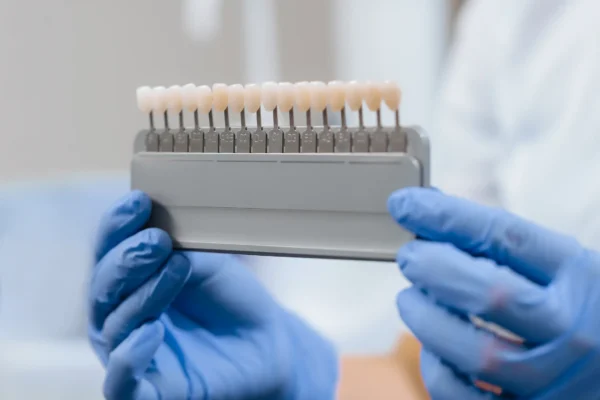
Cosmetic dentistry sits in an unusual place in health care. It is often talked about as a luxury, yet the reasons people seek it are rarely shallow. A chipped front tooth can make someone cover their mouth when they laugh. Worn enamel can make a person look older than they are. Small spaces, discoloration, or uneven edges may seem minor from the outside, but they can shape how someone speaks, smiles, and shows up in photographs, meetings, and relationships.
Whether cosmetic dentistry is worth it depends on a simple question with a complicated answer: worth it for what? If the goal is to look like a filtered version of yourself, disappointment is common. If the goal is to improve the appearance of your teeth in a way that fits your face, your bite, and your long-term dental health, the investment can be very satisfying. The difference usually comes down to planning, expectations, and the skill of the dentist.
Patients are often surprised to learn that cosmetic work is not one category. It ranges from whitening and bonding to porcelain veneers, enamel reshaping, clear aligners, gum contouring, and full-mouth rehabilitations that blend function with aesthetics. Some treatments are conservative and reversible. Others require permanent changes to tooth structure. Some look excellent on day one but age poorly if the materials, bite, or habits are not considered.
That is why the real question is not simply whether cosmetic dentistry works. It is whether a specific treatment, for a specific patient, under the care of a specific dentist, makes sense.
The appeal is not just appearance
A better smile can absolutely boost confidence, but reducing cosmetic dentistry to vanity misses the point. In practice, patients usually want relief from a persistent frustration. They are tired of a stain that whitening toothpaste never touches. Toothworks of Bakersfield, Dentist and Orthodontist Cosmetic Dentistry They want to repair old bonding that has yellowed at the edges. They want front teeth that look less crowded in photos. They want to close a gap that draws attention every time they speak.
There is also overlap between cosmetic and restorative care. A cracked tooth may need a crown for strength, and that crown also needs to look natural. Worn front teeth may require rebuilding because the patient is chipping edges and changing their bite, but the appearance matters just as much as the mechanics. Replacing a dark metal filling with a tooth-colored restoration improves aesthetics, yet it can also preserve healthy structure if done thoughtfully.
In other words, cosmetic dentistry often has emotional benefits, social benefits, and practical benefits at the same time. Patients may sleep better after finally addressing something that bothered them for years. They may stop hiding in group pictures. They may speak more freely. Those outcomes are real, even though they are harder to measure than a cavity or a crown margin.
What “worth it” usually means in a dental office
When dentists talk privately about whether a treatment was worth it for a patient, they usually judge it by more than the before-and-after image. A case tends to feel worthwhile when several things line up: the result looks natural, the patient’s expectations were realistic, the bite remains stable, the materials are appropriate, and maintenance is manageable.
A beautiful result that chips every few months is not a good result. A very white smile that does not fit the person’s complexion or age can look artificial. Veneers placed on teeth that really needed orthodontic movement first may solve one problem while creating another. On the other hand, a modest treatment plan with whitening, minor reshaping, and a few bonded repairs can change a smile dramatically without overdoing it.
There is also the matter of longevity. Patients sometimes compare the cost of cosmetic treatment to a handbag, a vacation, or a new phone. That is understandable, but teeth live in a harsher environment than any of those purchases. They grind, bite, stain, flex, and age. Dental work has to function under pressure every day. When it lasts well and serves the patient for years, it often feels justified. When it needs constant repair, resentment sets in quickly.
The options are not all equal
Cosmetic dentistry is a broad field, and one reason patients get mixed messages is that the word covers very different procedures.
Teeth whitening is the least invasive entry point. It can work very well for generalized yellowing, age-related darkening, and many common stains. It does not change the shape of Cosmetic Dentistry teeth, close spaces, or correct gray discoloration caused by certain medications or internal tooth damage. It is also not permanent. Coffee, tea, red wine, tobacco, and simple time all pull the shade back down. For many patients, whitening is absolutely worth it because it offers visible improvement at a relatively low cost and with little risk when supervised properly.
Bonding is another conservative option. Composite resin can repair chips, close small gaps, and refine shape in a single visit. Good bonding can be elegant and subtle. It is also technique-sensitive. If the color match is off, the polish is rough, or the shape is bulky, it shows. Bonding usually costs less than porcelain veneers, but it may stain or chip sooner and often requires touch-ups over time.
Porcelain veneers get the most attention, partly because they can produce dramatic results. They are thin ceramic facings bonded to the front of teeth, often used to change color, shape, size, and alignment appearance. They can be excellent when planned well. They can also be overprescribed. Veneers are not magic, and they are not a shortcut for every cosmetic concern. Cases that involve significant crowding, unstable bites, or heavy grinding may need orthodontics or bite management before porcelain enters the picture.
Clear aligners, though often marketed as orthodontic treatment rather than cosmetic dentistry, belong in this discussion. Moving teeth into better positions can improve appearance without covering natural enamel. In many cases, aligners are the more biologically conservative choice compared with masking misalignment using restorations. Patients often underestimate this because aligners take time and require compliance, while veneers feel faster. Faster is not always better when healthy tooth structure is at stake.
Gum contouring can also make an outsize difference. Some smiles look “gummy” because of excess gum tissue, altered passive eruption, or tooth proportions hidden under the gums. In the right case, careful reshaping can improve balance dramatically. In the wrong case, especially if the issue is skeletal or muscular rather than soft tissue, it may not solve the concern.
The least invasive option is usually the smartest place to start
One of the best signs in a cosmetic consultation is a dentist who does not rush to the most expensive plan. Experienced clinicians often think in layers. First, what can be improved with hygiene, whitening, or replacing old restorations? Second, would orthodontic movement solve the problem more conservatively? Third, if shape and color still need attention, what restorative approach preserves as much enamel as possible?
This matters because enamel is precious. Once healthy enamel is removed, it does not grow back. That does not mean patients should never choose veneers or crowns. It means irreversible treatment deserves careful justification. A young patient with otherwise healthy teeth should be especially cautious about aggressive cosmetic work. Small aesthetic concerns at 24 can become a lifetime restoration cycle by 44 if too much tooth structure is sacrificed early.
I have seen patients thrilled by simple changes that cost less and preserve more. A whitening protocol, a few rounds of aligner refinement, and conservative edge bonding can often create a smile that looks polished without seeming manufactured. I have also seen patients regret jumping straight into a large veneer case because they were sold speed instead of suitability.
Cost is real, and it is not only the upfront fee
Cosmetic dentistry can be expensive, and many treatments are not fully covered by dental insurance because they are considered elective. The fees vary widely by region, by clinician experience, by laboratory quality, and by the complexity of the case. A patient comparing prices online may see numbers that range from manageable to staggering, often without understanding what drives the difference.
Part of that difference is craftsmanship. High-end cosmetic work usually involves more than chair time. It may include detailed photography, digital smile design, wax-ups or mock-ups, custom shade matching, temporary prototypes, close coordination with a skilled dental lab, and multiple refinement appointments. Those steps are not fluff. They reduce surprises and improve the odds of a result that fits the face and functions well.
The more important financial issue, though, is long-term cost. Cosmetic treatment is rarely one-and-done forever. Bonding may need polishing, repair, or replacement. Veneers can last many years, but they are not lifetime devices. Crowns may eventually need replacement. Whitening needs maintenance. Retainers after orthodontic treatment are not optional if you want to preserve alignment.
Patients should think in terms of total ownership, not just purchase price. A treatment that is cheaper today but needs frequent repairs may cost more over ten years. A well-made restoration placed for the right reasons can be better value than repeated patchwork.
When Cosmetic Dentistry is often worth serious consideration
There are patterns that tend to predict higher satisfaction. Patients do well when they have a clear concern, healthy gums, stable expectations, and a willingness to maintain the result. They also tend to do well when the treatment plan solves a problem rather than chases perfection.
Here are a few situations where cosmetic dentistry often makes strong sense:
- Front teeth are chipped, uneven, or discolored in a way that affects confidence and cannot be improved enough with cleaning alone.
- Old dental work in visible areas is mismatched, worn, or dark at the edges and needs replacement anyway.
- Mild to moderate spacing or shape issues can be corrected conservatively with bonding, whitening, or orthodontics.
- Wear, erosion, or fractures require restorative treatment, and aesthetics can be improved at the same time.
- A patient has realistic goals and understands maintenance, cost, and the limits of what treatment can do.
That last point matters as much as any technical detail. The happiest patients are often not the ones who ask for the whitest shade or the most dramatic transformation. They are the ones who want to look like themselves, just healthier, brighter, and more at ease.
When caution is the better choice
There are also cases where hitting pause is wise. Some patients are not unhappy with their teeth so much as overwhelmed by images online. Others want a level of symmetry or whiteness that natural teeth simply do not have. Some have untreated gum disease, significant decay, or active grinding habits that make cosmetic work more fragile from the start.
A dentist with good judgment should slow the process when any of those factors are present. Cosmetic treatment on an unhealthy foundation usually disappoints. Whitening over dehydrated enamel can create a temporary result that does not reflect the final shade. Veneers placed on patients who clench heavily without planning for bite forces can chip or debond. Bonding placed on teeth with poor isolation or inflammation at the gums will not age as well.
There is also a psychological side that dentists quietly pay attention to. If a patient fixates on tiny imperfections that most people would never notice, or has a history of repeatedly seeking revisions while remaining dissatisfied, more treatment may not solve the underlying distress. Ethical cosmetic dentistry includes knowing when not to proceed.
The dentist matters as much as the treatment
Patients often assume cosmetic dentistry is mainly about materials. In reality, the operator matters enormously. Two dentists can use the same brand of porcelain and produce very different results. Smile design is not only technical. It requires an eye for facial proportions, gum levels, tooth texture, translucency, and how a smile moves when a person talks, not just when they pose.
This is one reason consultations matter. A good cosmetic dentist usually spends time listening before proposing treatment. They ask what bothers the patient, when they first noticed it, what they like about their smile now, and whether they want subtle refinement or a bigger change. They examine the bite, gum health, existing restorations, and wear patterns. They often discuss alternatives instead of presenting a single high-ticket plan.
If a patient feels rushed, pressured, or dazzled but not informed, that is a warning sign. Dentistry is full of gray areas where more than one treatment could work. A trustworthy clinician explains trade-offs. They should be able to say, in plain language, what each option gains, what it sacrifices, how long it may last, and what maintenance looks like.
Questions worth asking before you commit
A cosmetic consultation is not the time to be shy. Patients do better when they ask specific questions and listen for practical answers. Useful questions include these:
- What are my conservative options before we discuss veneers or crowns?
- How much natural tooth structure will be removed, if any?
- What kind of maintenance and future replacement should I expect?
- Can I see examples of results that look natural, not only dramatic?
- What happens if I grind, clench, or the result does not meet the plan?
The goal is not to challenge the dentist. It is to understand the road ahead. A clinician who welcomes these questions usually has nothing to hide.
Expectations can make or break the experience
One of the hardest parts of cosmetic dentistry is that the mouth sits at the crossroads of health, identity, and aesthetics. Patients are not buying a neutral object. They are changing a feature tied closely to how they see themselves. Even small changes can feel surprisingly emotional.
That is why mock-ups, trial smiles, and careful discussions are so helpful in larger cases. A patient may think they want very long central incisors until they see how those teeth look when they speak. Another may request an ultra-bright white but decide it clashes with their skin tone once they compare shades in person. Cosmetic success often comes from restraint. Tiny refinements in contour, texture, and proportion usually read better than dramatic changes that ignore the rest of the face.
There is also an adjustment period. New restorations can look unfamiliar even when they are objectively excellent. Dentists know this, and good ones prepare patients for it. A smile can feel “different” before it feels “right.” That is normal. The opposite is also true, if something feels wrong in shape, speech, or bite after the initial adaptation period, it deserves attention.
Maintenance is part of the value equation
No cosmetic dental work is maintenance-free. That fact gets lost in marketing, but it should be central to the decision.
Whitening needs upkeep. Bonding can lose luster and pick up stain. Porcelain is stain-resistant, not stain-proof, and the surrounding natural teeth can darken over time, changing the match. Orthodontic results can relapse without retainers. Night guards are often essential for patients who clench or grind, especially after veneer or bonding cases.
Daily habits matter more than many people expect. Meticulous brushing and flossing preserve gum health, which frames every smile. Regular cleanings help maintain surface polish and catch problems early. Chewing ice, opening packages with teeth, and chronic nail biting are small habits that can shorten the life of cosmetic work in a hurry.
When patients accept maintenance as part of ownership, they tend to stay happier longer. When they expect permanence with no upkeep, even well-done dentistry can feel disappointing later.
The subtle social pressure around smiles
It would be unrealistic to discuss Cosmetic Dentistry without acknowledging the culture around it. Social media, video calls, high-resolution phone cameras, and whitening filters have changed how people view their teeth. Flaws that once passed unnoticed can seem glaring on a screen. Patients often bring in saved images that are edited, professionally lit, or simply not compatible with their own anatomy.
That does not mean the desire for improvement is invalid. It means comparison can distort judgment. The best cosmetic outcomes usually respect individuality. Natural smiles have variation. Incisal edges are not machine-made. Enamel has depth, texture, and translucency. The smile that looks best on one person can look strange on another.
Many experienced dentists quietly aim for a result that does not announce itself as dental work. Friends may say a patient looks refreshed or notice the smile looks better, without being able to name exactly why. Those are often the strongest results, because they feel believable.
So, is it worth it?
For many patients, yes. Cosmetic dentistry can be worth it when it solves a real concern, preserves health, fits the person’s face, and is performed with restraint and skill. It can be a poor investment when it is rushed, overly aggressive, based on trend-driven ideals, or chosen without understanding maintenance and long-term costs.
The smartest way to approach it is not to ask, “What is the most dramatic fix?” Ask, “What is the most appropriate fix?” Sometimes that is whitening and a bit of bonding. Sometimes it is clear aligners. Sometimes veneers are exactly the right answer. The value comes from the match between the problem, the plan, and the patient.
A good cosmetic result does more than make teeth look nicer. It removes a distraction. It lets a person smile without editing themselves first. That can be meaningful enough to justify the cost. But the best outcomes are rarely the flashiest. They are the ones built on healthy teeth, careful diagnosis, honest conversations, and the discipline to do no more than necessary.
Toothworks of Bakersfield, Dentist and Orthodontist
1030 H St #1, Bakersfield, CA 93304, United States
+1 661-323-9421
FAQ About Cosmetic Dentistry
Is bonding better than veneers?
Neither option is best for everyone. Composite bonding can address small chips, gaps, or shape concerns and is generally easier to repair. Porcelain veneers may offer greater resistance to staining and wear, but often require removal of some enamel. A dentist should assess your oral health, bite, goals, and budget before recommending treatment.
How long will dental bonding last?
Bonding commonly lasts about three to ten years before it needs repair or replacement, though this varies with the location and amount of bonding, your bite, and daily habits. Regular dental visits, good oral hygiene, and avoiding chewing hard objects can help protect it. Ask your dentist what lifespan is realistic for your particular treatment.
What are the risks of teeth whitening?
Whitening can cause temporary tooth sensitivity and gum irritation. Overuse or incorrect use may damage teeth or gums, and whitening does not change the color of existing crowns, veneers, or fillings. Have a dentist assess your teeth and gums, and follow the recommended product directions and treatment schedule.